Projects
Silo Solos
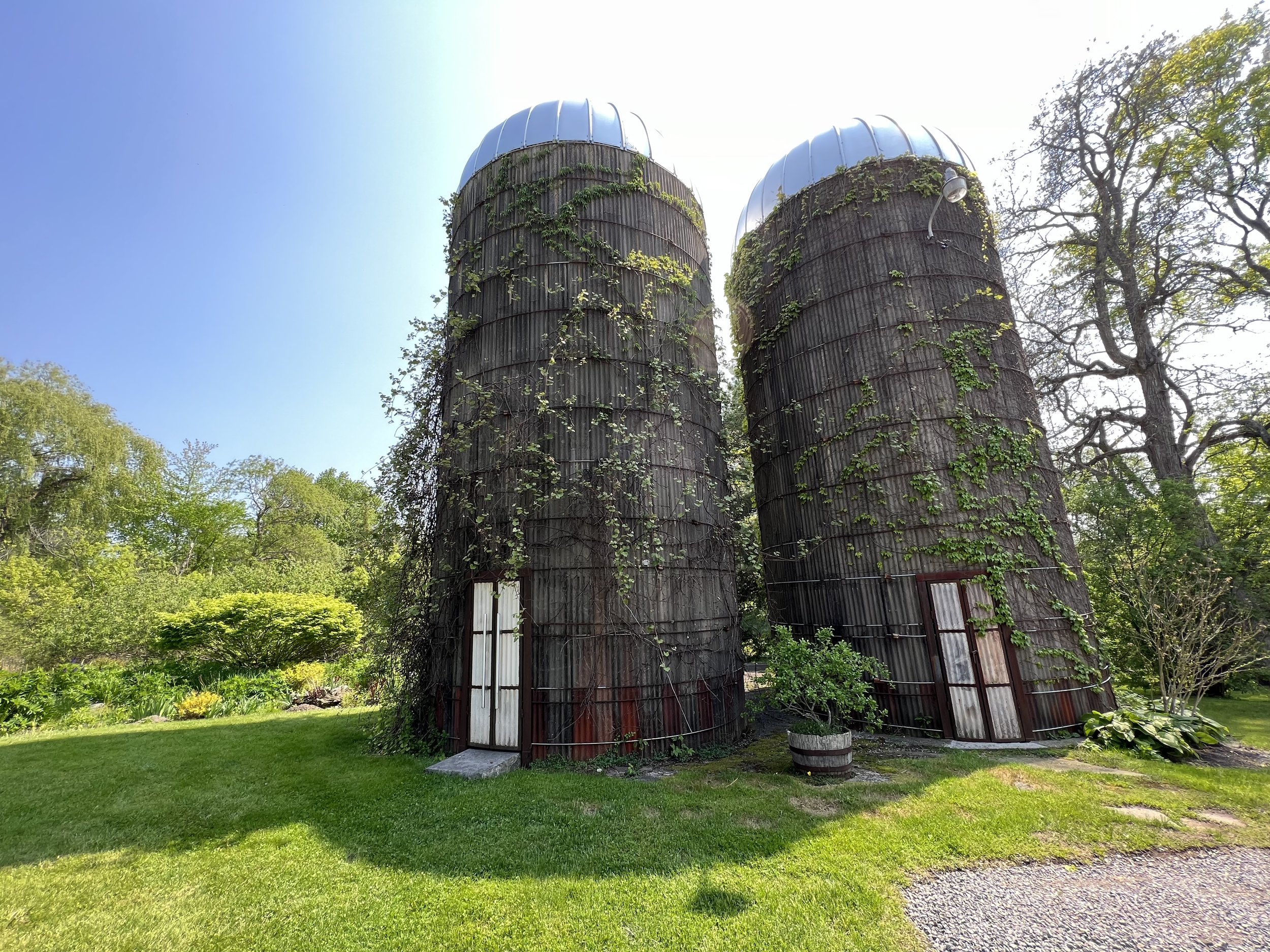
Silo Solos began in 2020 as a response to the Covid 19 pandemic lockdown which prevented people from gathering together. Artists could create works in isolation in the two silos on the Goldring-Piene Foundation art farm in Groton, MA.
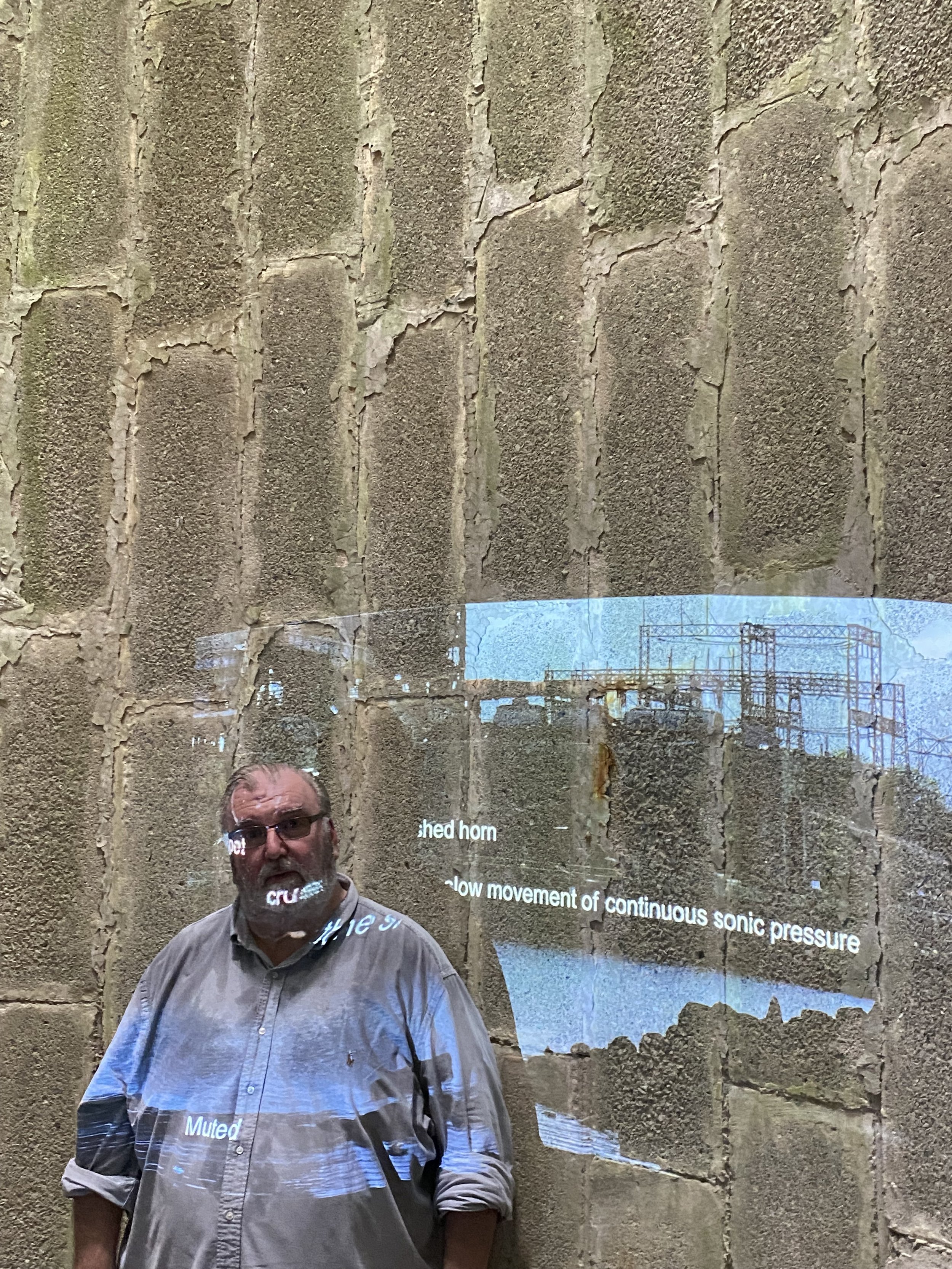
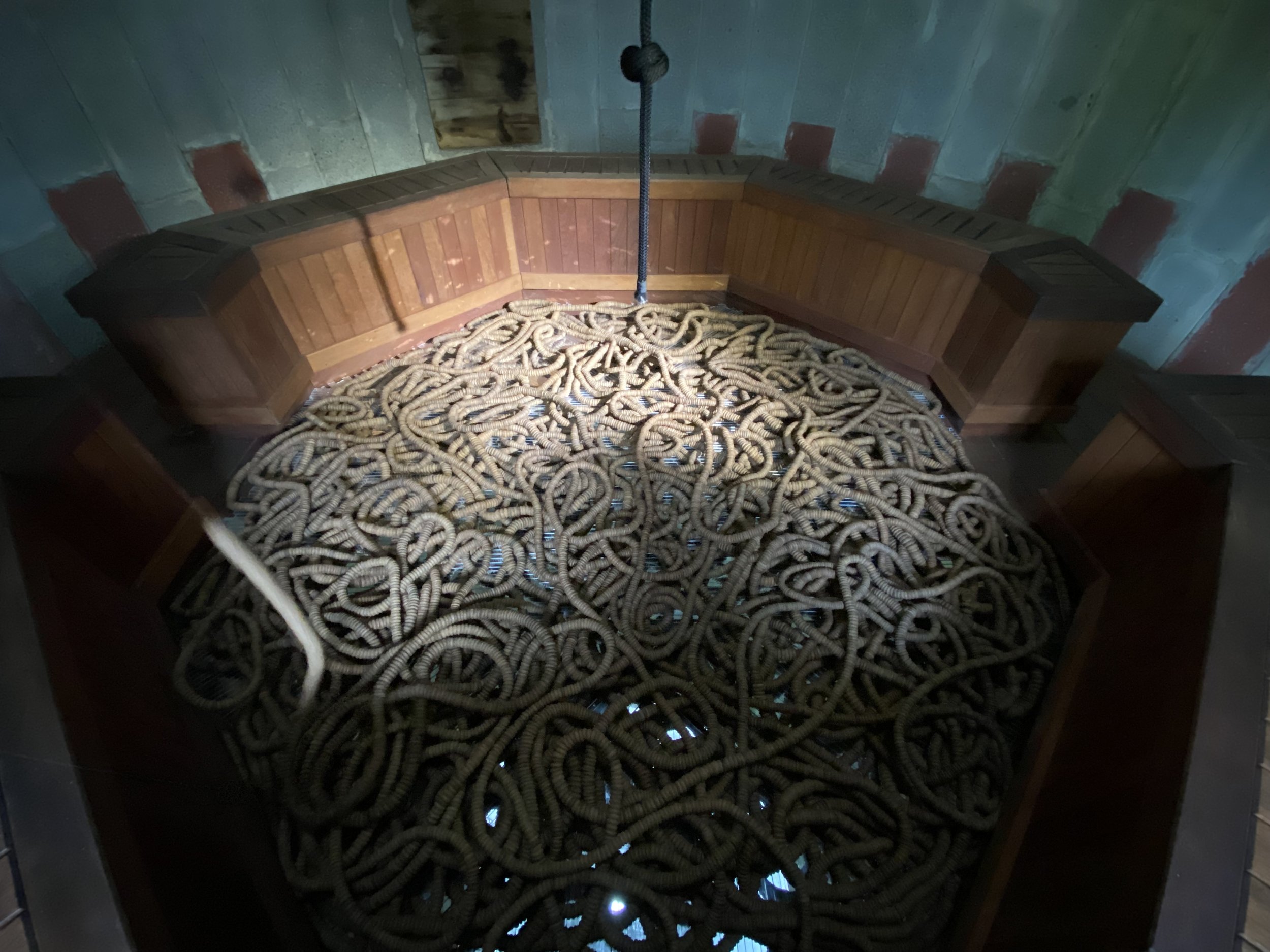
Each silo is a site for permanent works of art: Otto Piene created a light silo with his “Star of David” light ballet sculpture; and Paul Matisse created a sound silo with a sculptural bell and architectural design. Silo Solo artists developed video works interacting with the silo spaces.
Silo Solos 2020 was broadcast as part of a virtual global B3 Biennial in Frankfurt, Germany. Silo Solos 2021 and Silo Solos 2024 were shown at the Festival of the Moving Image in Frankfurt, Germany.
Artists to date include:
Eric Begleiter (artist, Boston), The Art Farm, AI generated video
Luc Courchesne (artist, professor, Montreal), installation time lapse and VR
Paule Ducharme (actor, Montreal), performance artist
Beth Galston (artist, Boston), mirrored light installation and performance exploring the silo oculus
Elizabeth Goldring (poet, artist, Groton), original poems written for and performed in the silos
Jessica Goldring-Spira (Brittany, France), video projections from Brittany, France
Vin Grabill (U. of Maryland, retired), dramatized interview with Elizabeth Goldring about vision and perception
Seth Riskin (MIT Museum Studio director), light work
Bill Seaman (Professor at Duke University, Durham, NC), projections of landscape, poetics and sound
Ellen Sebring (artist, Creative Director of MIT Visualizing Cultures project), visual sound in bell silo; and environments within and out of the light silo
Aldo Tambellini (artist/Fellow who worked at CAVS MIT), reprise of an archival video work
David Whiteside (flutist), collaborations with Elizabeth Goldring and John Whiteside
John Whiteside (composer), original score for flute and bell





Pollinator Garden
The Groton Conservation Commission approved Goldring’s plan to create a large pollinator garden near the entrance to the farm under the direction of landscape architect Toby Wolf. The project restores a wetland area that has become significantly degraded from invasive species. Mr. Wolf was responsible for a design for a native pollinator garden, working with Mr. Corrigan on the restoration plan including identifying the invasive species, treatment plans, and planting vegetation that would increase the viability of the resource area. The garden features native plants arranged in a way that encourages a dynamic and healthy ecology for wildlife.
The following photos show the garden’s growth between May and July 2023.
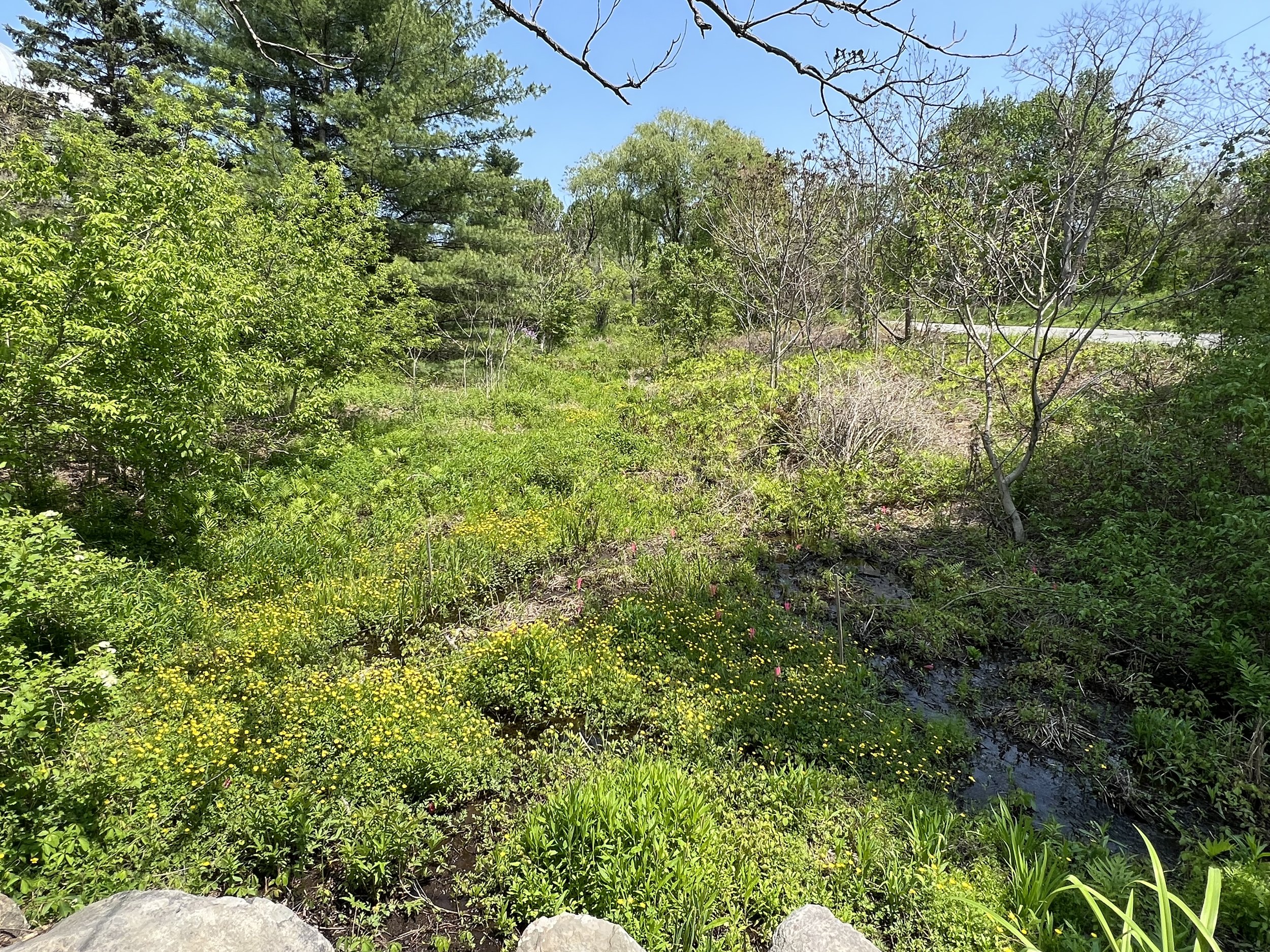
May 22, 2023
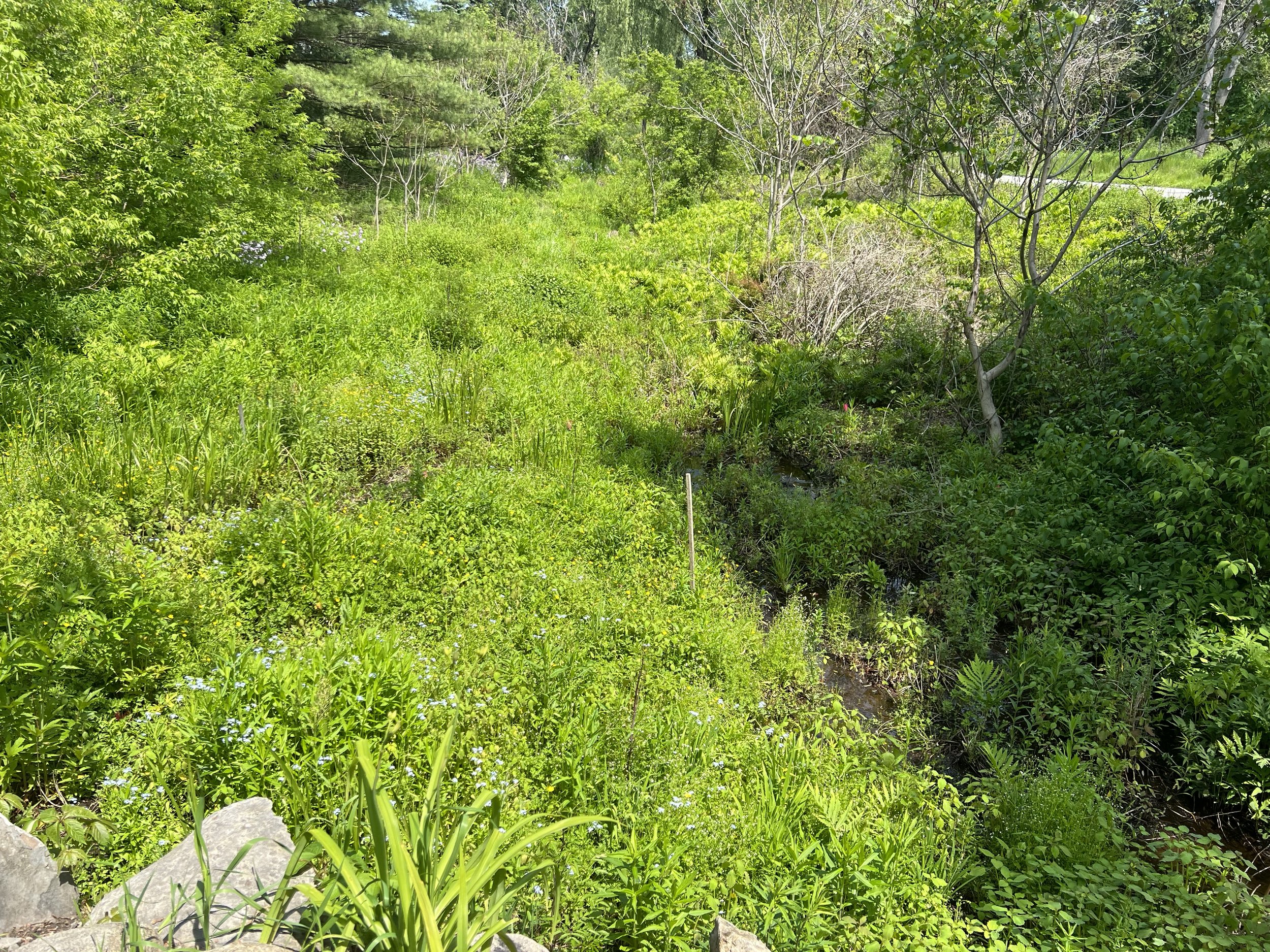
June 11, 2023
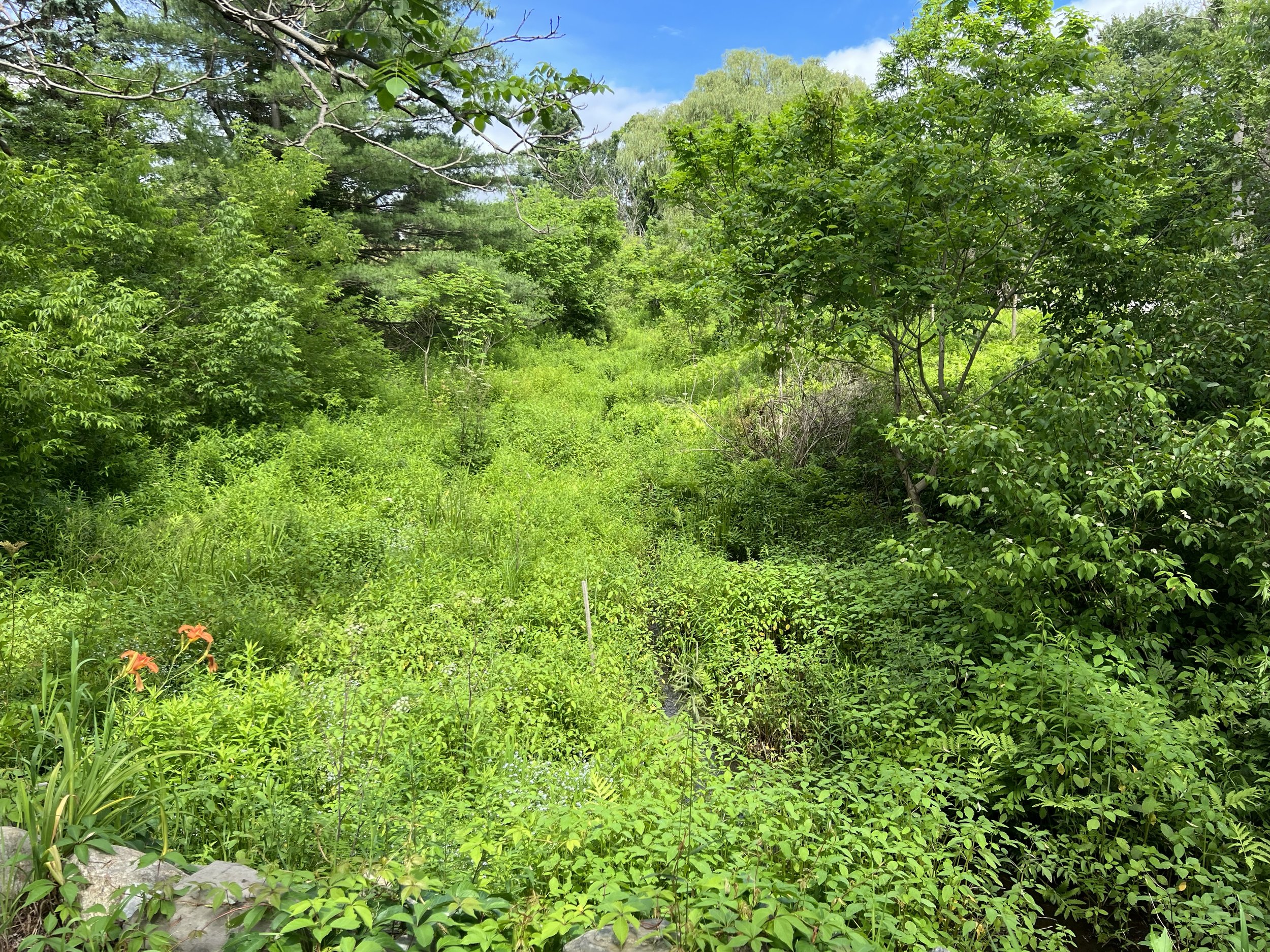
July 3, 2023

July 15, 2023
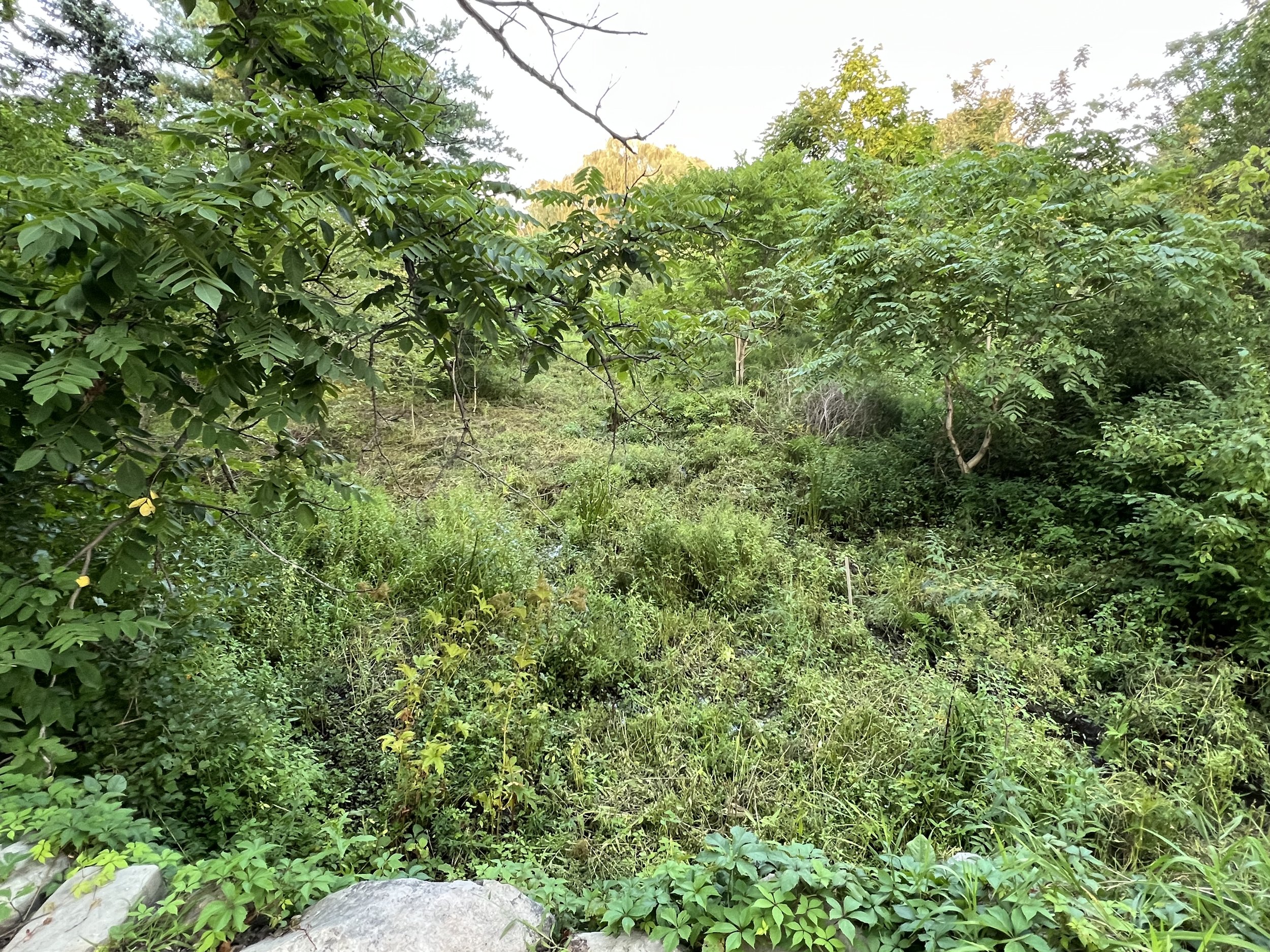
August 20, 2023
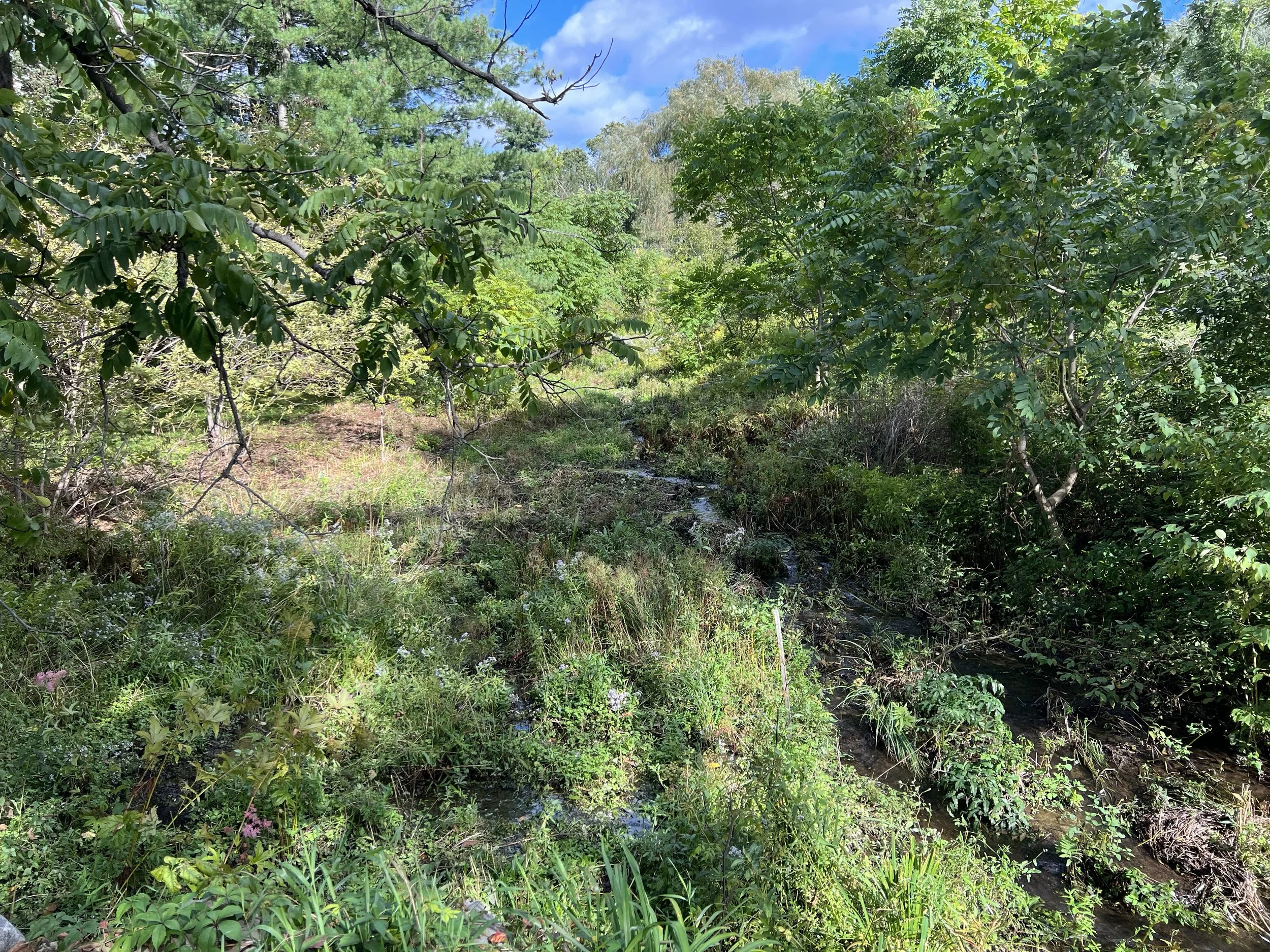
September 19, 2023
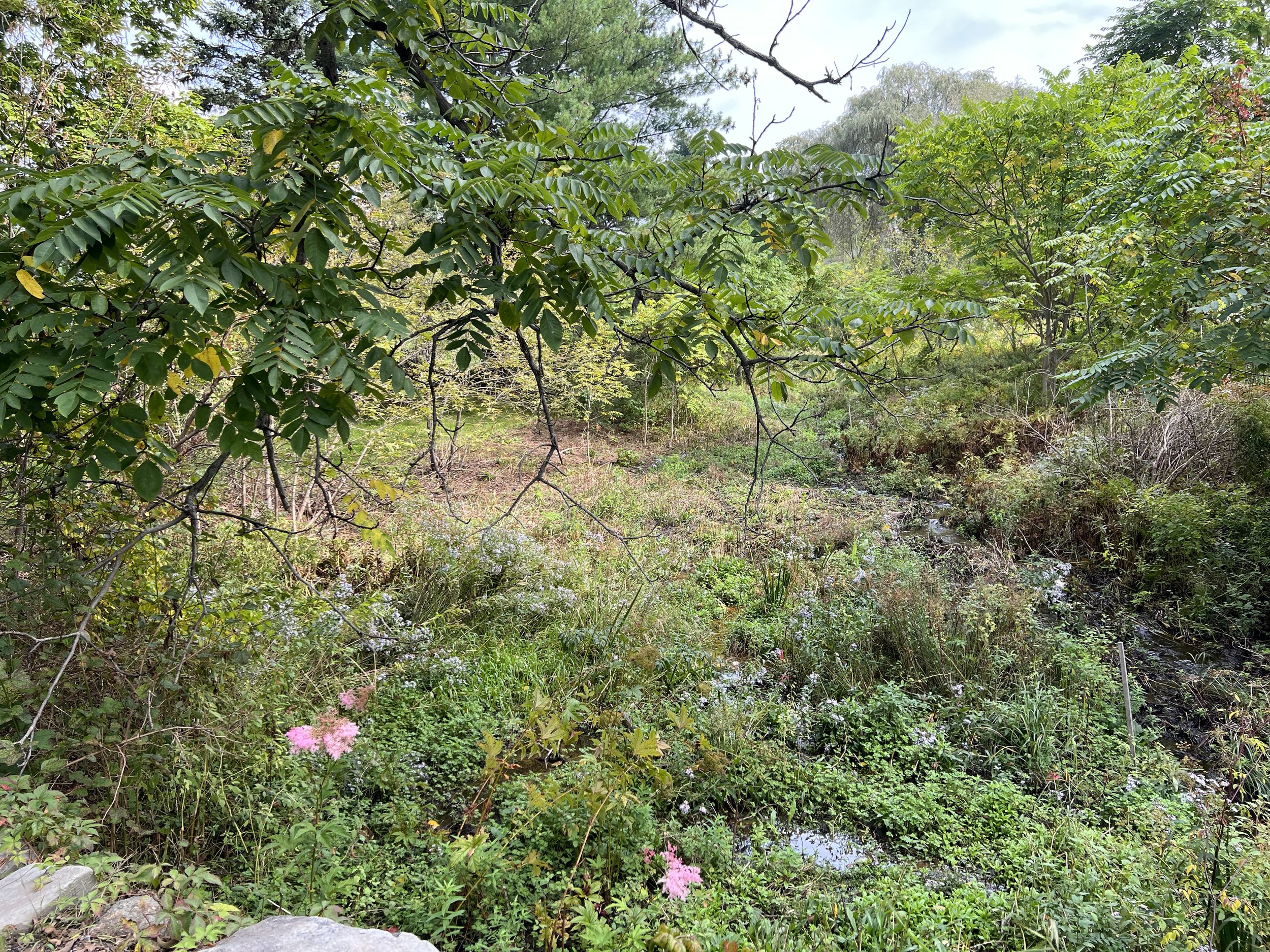
September 28, 2023
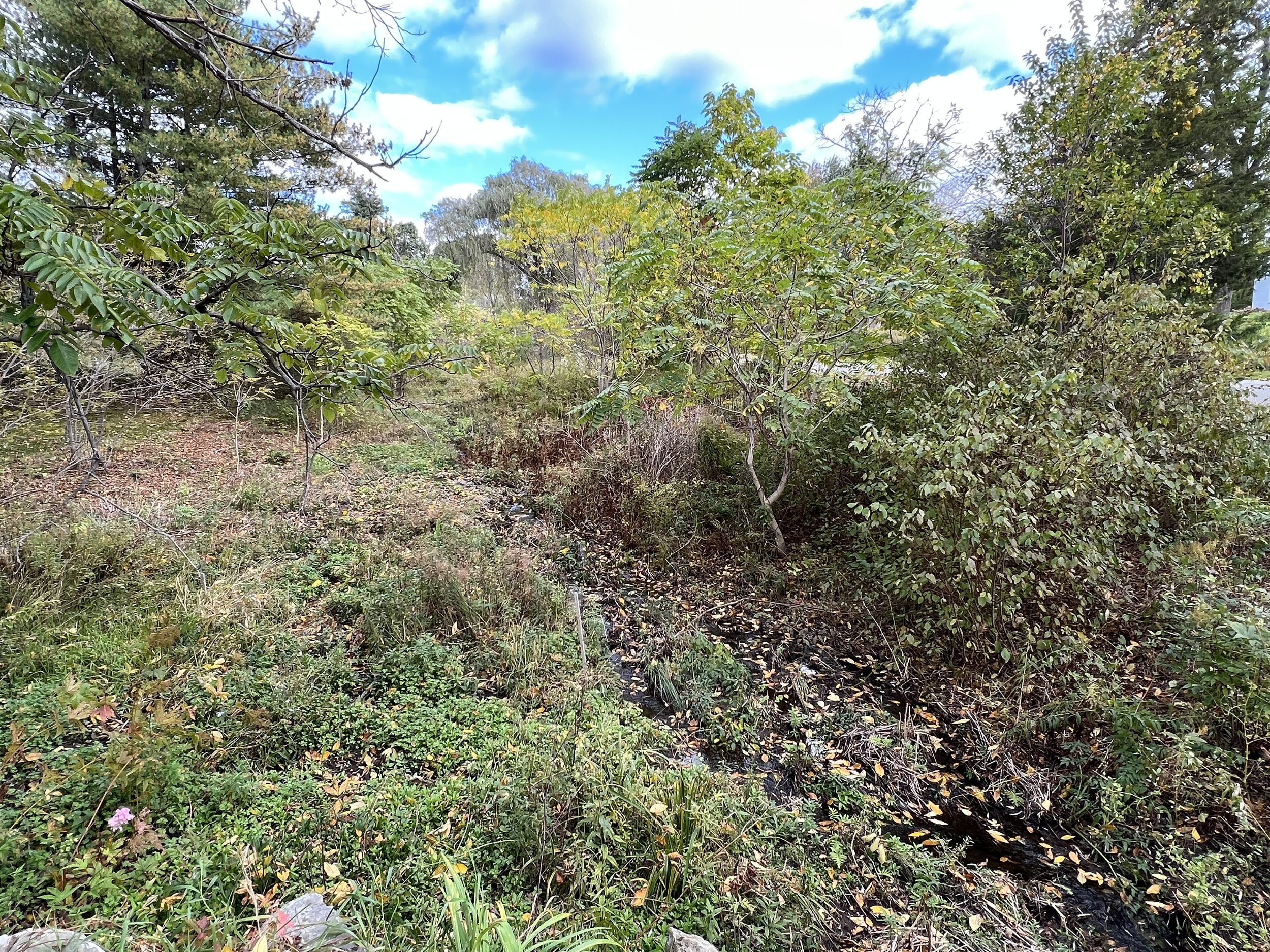
October 13, 2023
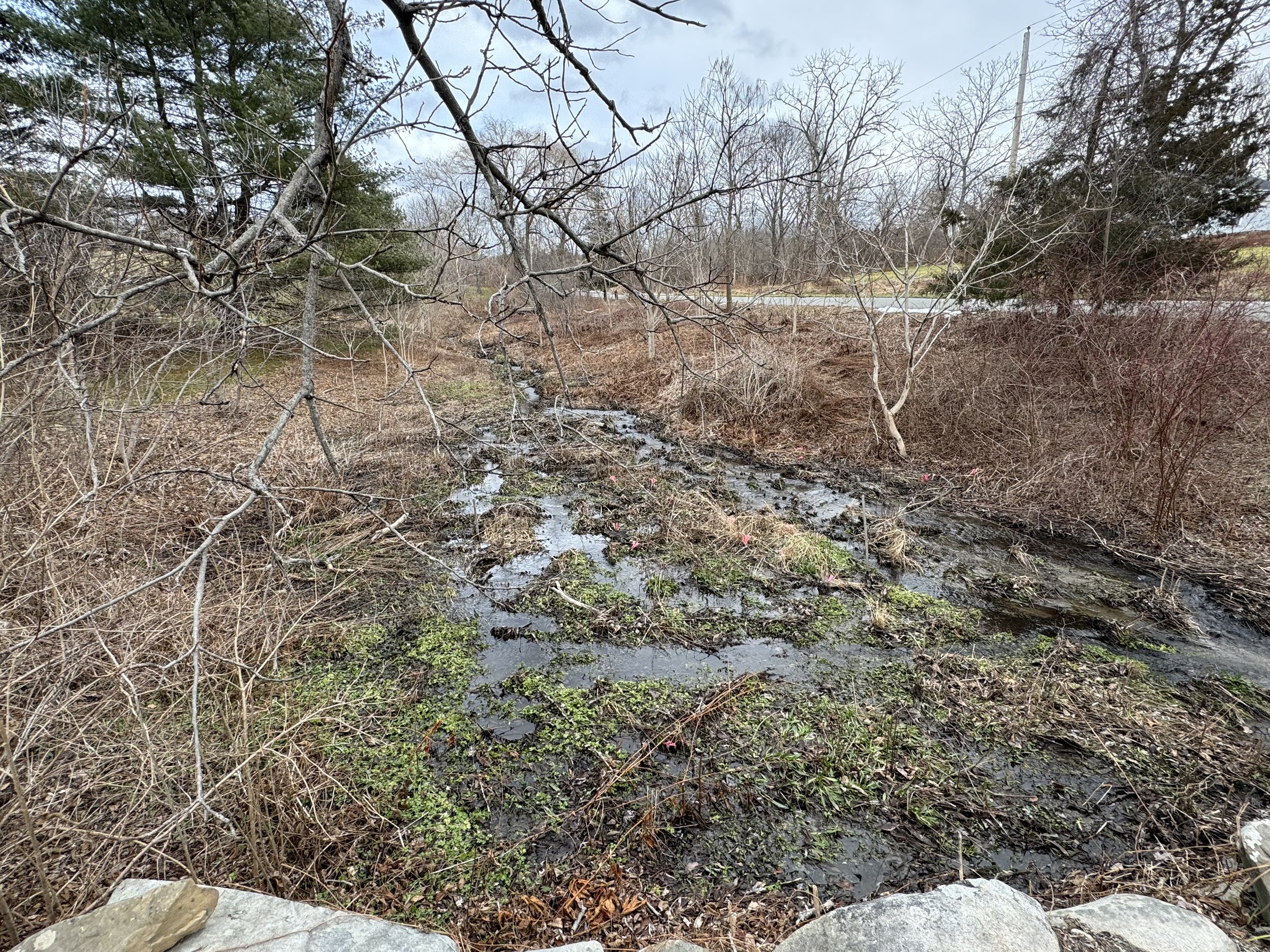
January 14, 2024

January 14, 2024

January 17, 2024

April 14, 2024